

The Influence of Her: What Mothers Teach Us About Designing Home
The Influence of Her: What Mothers Teach Us About Designing Home, Motherhood is rarely loud in the spaces we create. It does not reveal itself through bold statements or trend-driven choices, but rather in the quiet, considered details that make a home feel complete. A softened palette, a sense of balance, an instinct to prioritize comfort without compromising beauty. These are the elements that often go unnoticed, yet define how a space is experienced.
At First Impression Designs, we believe the most meaningful homes are not simply designed, they are shaped over time. They carry influence, memory, and intention. More often than not, that foundation begins with her. The one who understood, well before design had a name, what it meant to create a home that truly supports the people within it.

An Intuitive Approach to Living
Long before design becomes technical, it is intuitive. It is the quiet decision to place a chair where morning light naturally falls, or to arrange a room in a way that encourages conversation rather than formality. These choices are rarely taught, yet they shape how a space functions on a daily basis.
This way of thinking often comes from lived experience. Designing not just for how a space looks, but for how it is used at every hour of the day. It shows up in layouts that allow connection across rooms, in furniture arrangements that feel natural, and in homes that support movement rather than interrupt it. The result is a space that feels effortless to live in, because it was designed with real life in mind.

Softness as a Design Principle
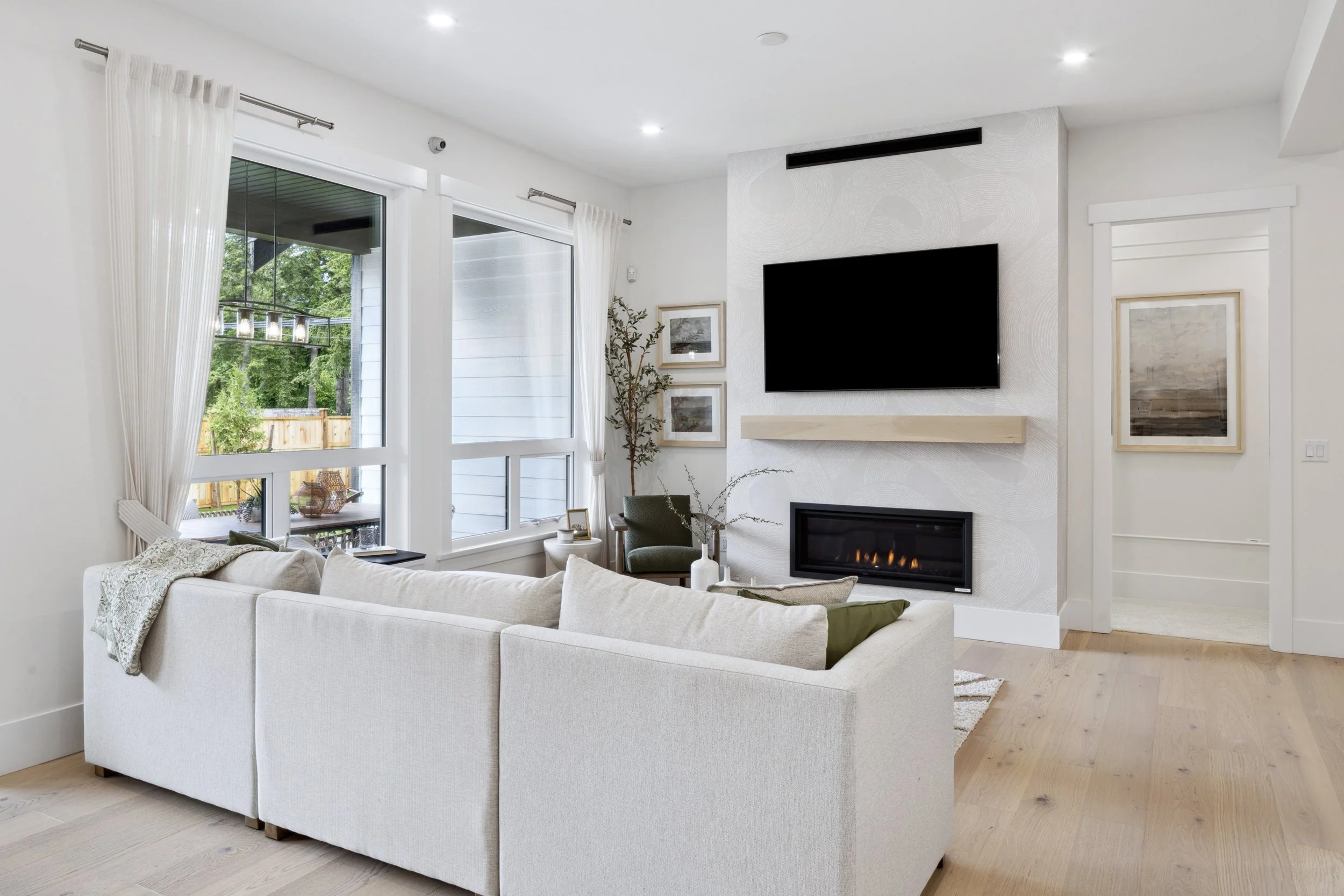
There is refinement in restraint. A well-designed home does not rely on excess, but instead on balance, texture, and subtle contrast. Softness becomes a guiding principle, not in a delicate sense, but in the way a space welcomes you in and allows you to stay.
This softness is also practical. Materials are chosen not only for how they look, but for how they perform. Durable fabrics, forgiving finishes, and layered textures allow a home to be lived in fully. When surfaces can handle everyday use without losing their integrity, the space feels more relaxed, more comfortable, and ultimately more like home.
Lighting plays a significant role in this feeling as well. Soft layered lighting, from bedside lamps to warm kitchen pendants, creates a home that feels calm and welcoming long after the daylight fades.
Designing Beyond the Moment
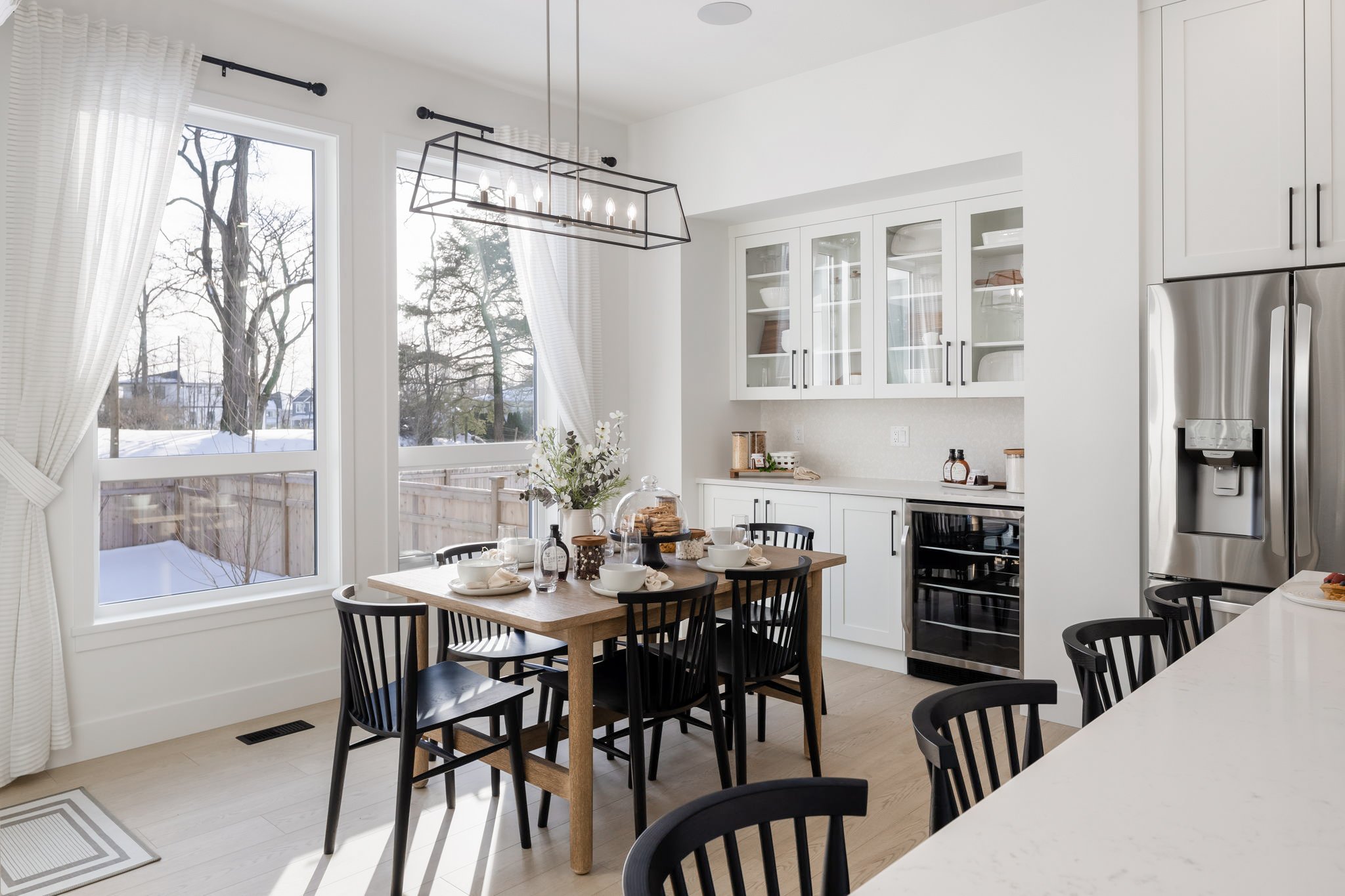
Trends may shape a moment, but meaningful design considers what comes next. A well-designed home evolves with the people who live in it, supporting different stages of life without needing to be constantly redefined.
This perspective brings intention into how spaces are planned. A dining area becomes a place for both gathering and daily routine. A living space supports both hosting and unwinding. Storage is thoughtfully integrated, with built-ins, concealed compartments, and flexible solutions that make it easy to maintain order. When everything has a place, the home can reset quickly, allowing for a sense of calm at the end of the day.
Where the Day Begins and Ends
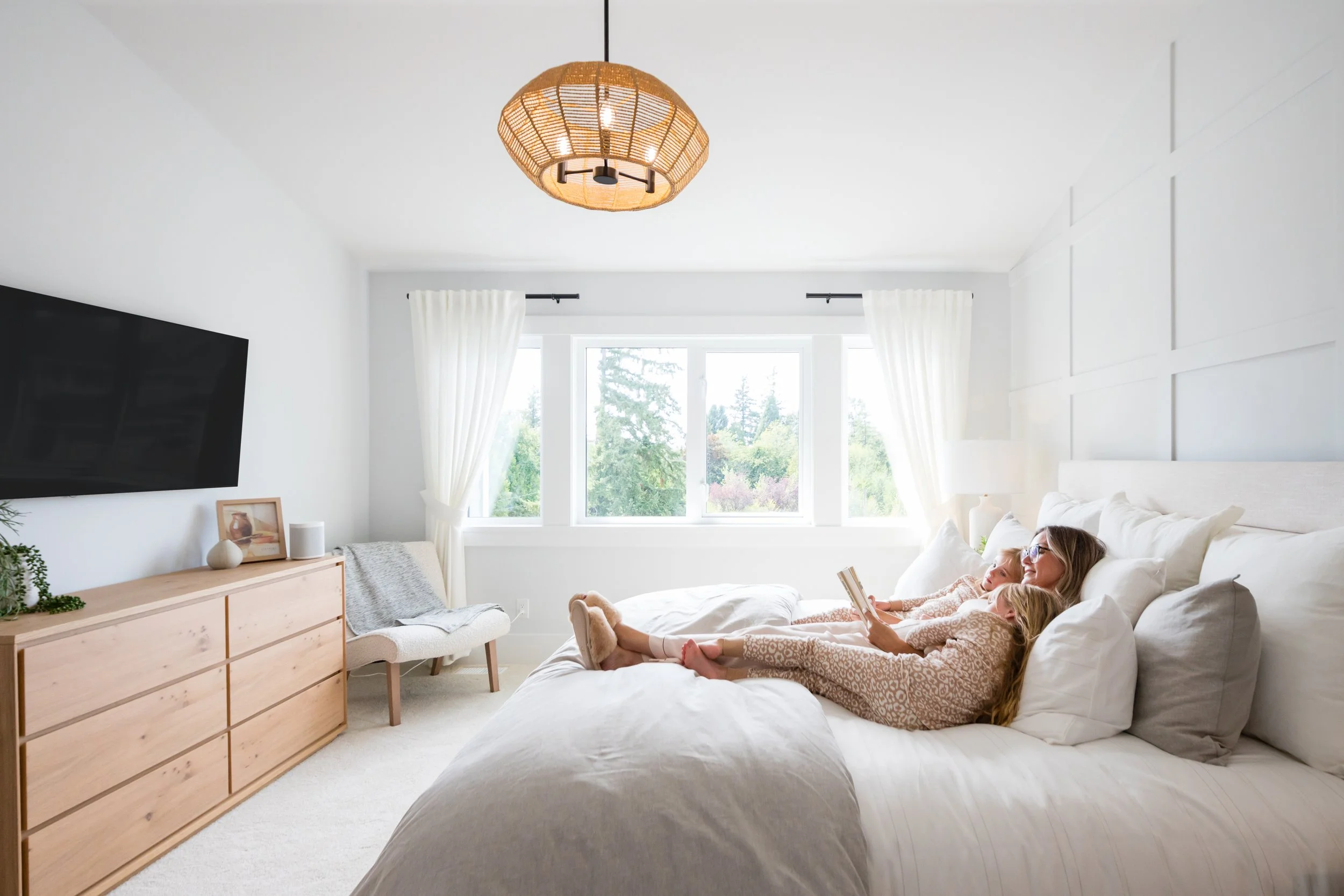
While shared spaces often become the focus of a home, the primary bedroom is one of the most meaningful rooms to design thoughtfully. For many mothers, it becomes a place to close the door for a moment of quiet, reconnect at the end of the day, or simply pause before the rhythm of the home begins again. It is also a space layered with memory — the room where children climb into bed early in the morning, where late-night conversations happen, and where a newborn may sleep beside you during those first months of life.
The atmosphere of a bedroom matters because of how deeply it supports restoration. Bright natural light, soft linen bedding, warm wood tones, and layered textures create a sense of calm that feels both elevated and personal. A generous nightstand holds favourite photographs, children’s drawings, a candle, or meaningful keepsakes collected over time, bringing warmth and familiarity into the space.
And practically speaking, a king-size bed often becomes less of a luxury and more of a necessity. In family life, there always seems to be one more person in the bed than originally intended.
The Kitchen in Motion
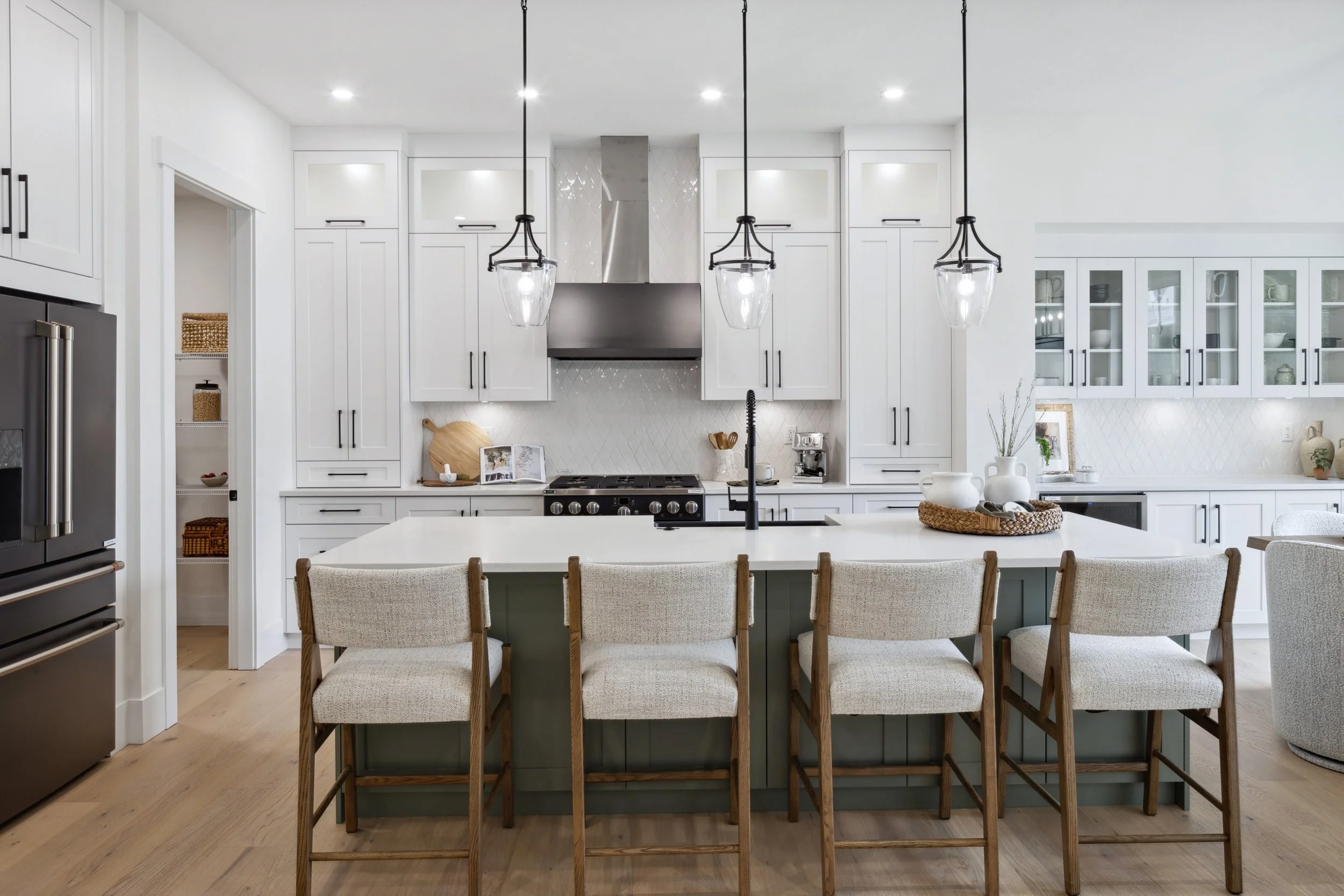
A home that feels calm is not one that stays perfectly styled, but one that is easy to live in. Function, when thoughtfully considered, removes friction from daily routines and creates more space for time together. Nowhere is this more evident than in the kitchen, where design has the greatest impact on how the day flows.
A well-planned kitchen supports both movement and connection. Generous island seating creates a natural place to gather, whether for quick mornings, after-school conversations, homework, or casual moments while meals are prepared. Open sightlines help the kitchen feel connected to the rhythm of everyday life rather than separated from it.
Layered storage, integrated pantry spaces, soft lighting, and natural textures allow the room to feel calm even in the middle of movement. These details may feel subtle, but they are what allow a kitchen to function not just as a workspace, but as a space that supports how a family lives together every day.
The Daily Rhythm
Function is often defined through layout and efficiency, but the most impactful homes go beyond that. They consider how a space supports both connection and restoration, creating environments that feel balanced and complete.
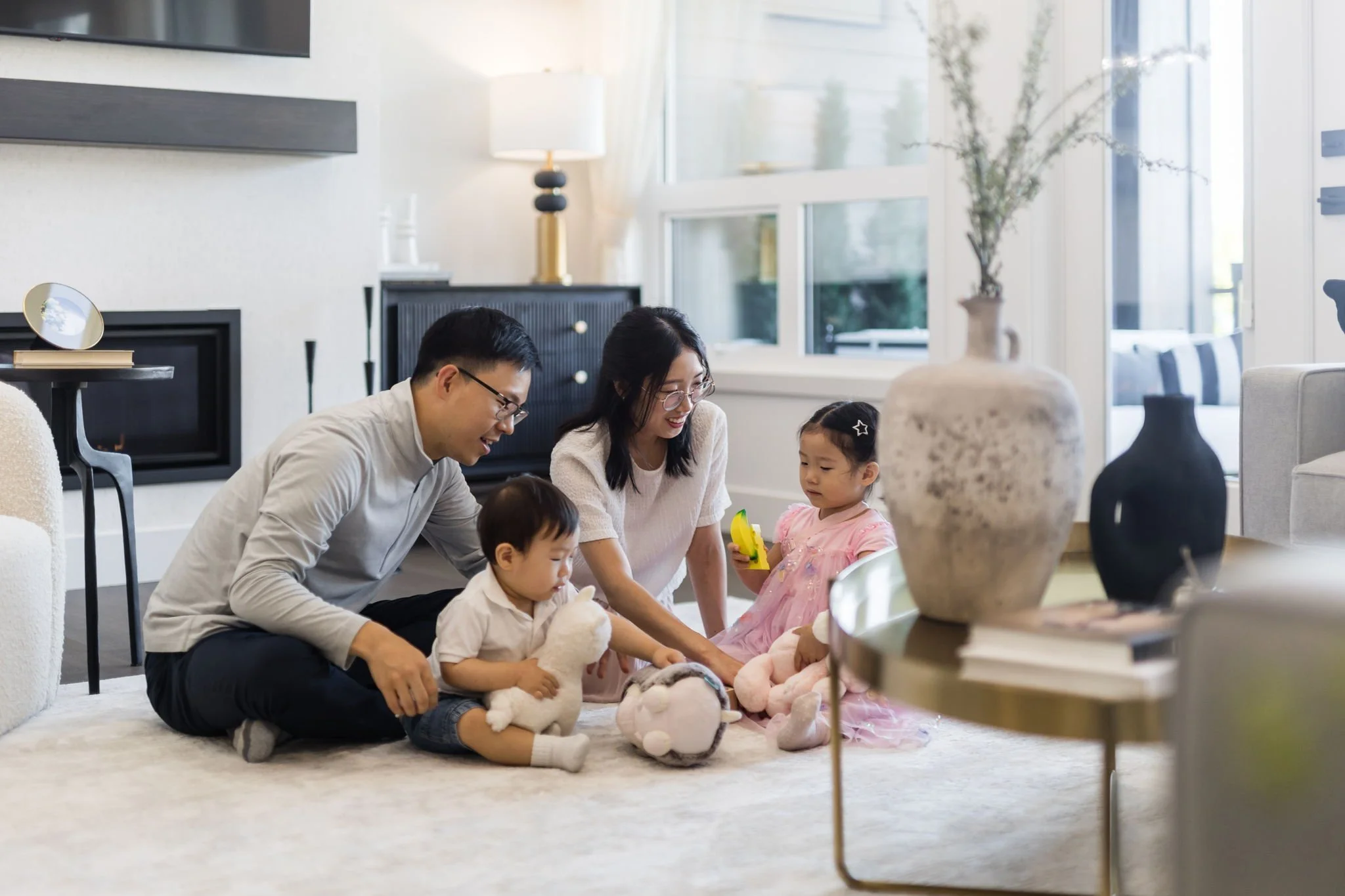
A quiet corner becomes a place to pause, read, or gather yourself before stepping back into the movement of the day. A layered living room invites people to sit, play, stay, and engage. These spaces allow for both interaction and pause, supporting the natural flow of everyday life.
When a home includes moments for both energy and stillness, it becomes a place that people not only use, but rely on.
Details That Are Never Accidental
In the most thoughtfully designed homes, nothing feels overdone, yet everything feels considered. There is a quiet consistency in the way materials are layered, tones are repeated, and personal objects are integrated throughout a space.
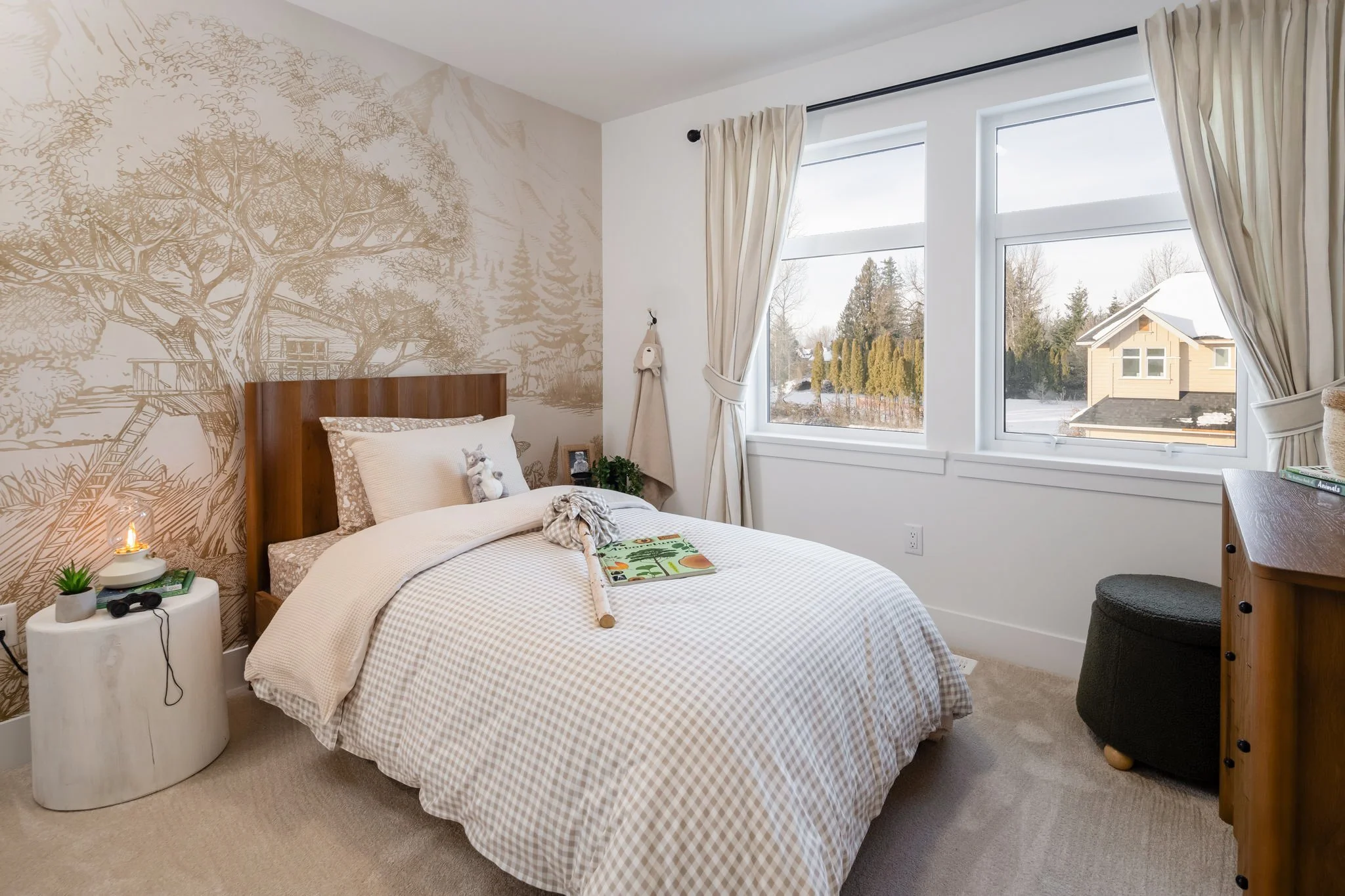
In a child’s room, this becomes especially meaningful. A scenic wallcovering, patterned bedding, books, toys, and small collected objects can all bring personality into the room while still feeling cohesive. These details allow the space to feel imaginative and personal, without becoming cluttered or disconnected from the rest of the home.
Children’s artwork and sentimental pieces can be approached in the same way. Interchangeable art frames allow drawings and paintings to rotate over time, giving those pieces a place within the home while still feeling intentional. It is not about adding more, but about choosing what matters and allowing it to be seen with care.
This Mother’s Day, the focus is not only on how we celebrate, but on what has shaped the spaces we live in. The homes that feel the most complete are rarely the most styled. They are the ones that have been thoughtfully considered, designed to support connection, reduce friction, and create space for both energy and rest.
If there is a way to honour that influence, it is through intention. Through the atmosphere you create and the details you choose to include. Sometimes, it is as simple as how a space comes together at the end of the day, a quiet shift that allows the home to feel settled again.
At First Impression Designs, we often find that the most successful homes are not the ones designed around perfection, but around the people who live within them.
These are the moments that define how a house becomes a home.
